
Biography
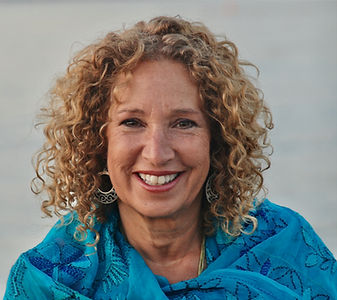
My fascination with painting began in my youth, in Montreal, when my teacher insisted that I take classes at The Redpath Museum with Group of Seven artist, Arthur Lismer. My parents were thrilled, but the opportunity was wasted on me. Arthur Lismer thought I had a gift for colour, but I was intimidated by his piercing eyes and wild white hair. I refused to continue. Oh, to turn back the clock!
For many years, my career focused on writing. I moved to Vancouver where I graduated from UBC with an MFA, and then joined the Creative Writing faculty at Douglas College. I also wrote: novels, plays, short stories, nonfiction, children’s literature, magazine features, and scripts for film, TV, and animation. My novel Heartache and Other Natural Shocks won a western Canada book award.
Meanwhile, I never gave up on art. I studied painting at Banff School of Fine Arts, and participated in workshops with teachers such as Gordon Smith. I had solo and group exhibits in Vancouver, and my work has been shown in galleries and collections across North America.
When I’m not in my studio, I dance, travel, garden, and cook sumptuous meals for family and friends. According to my offspring, I cannot text and talk at the same time, but in all other respects, I am without fault or blemish.

Making Art: Writing versus Painting
I’ve always been intrigued by how the practices of writing and painting are similar and yet, divergent. On the one hand, like all mythological quests, both require determination, playfulness, grit, and a ridiculous leap of faith. They take you to places you had no intention of visiting, and therein lies the adventure.
Mostly, I find writing harder. For me, writing is cerebral, and painting is intuitive. Writing lives in my head; painting lives my body. I know this sounds weird. Let me explain.
When I sit down in front of a blank page to write a novel or play, I’m never relaxed. I talk to myself (apparently, out loud), and sometimes it feels like my head has been invaded by strangers who have nothing better to do than argue with each other and mock me, while I attempt to map out scenes and plots. Is this fun? No. But it is compelling, and when the dialogue flows, and the story takes a brilliant turn, I get fired up. I’m elated – until I hit the next roadblock.
Painting, on the other hand, tends to be more welcoming and spontaneous. I don't fret or procrastinate. I simply begin with a colour, line or image, and pursue my project like a dog following her nose, chasing down a fresh scent, keen to track down a new direction or inspiration. Sometimes, a painting arrives like a gift, quickly revealed, instantly pleasing. Sometimes, I grind away at it for days or weeks. It can be an obsessive process, but I’m tenacious.
In both writing and painting, once I enter that trance of creative activity, time disappears, the subconscious mind takes over, and the rest of the world falls away.

Spirit

Water Lilies
Collections: Artist's Statement
I invite you to peruse my seven collections: Abstract, The Romantics, Figurative, Out of the Darkness, Gardenesque, Landscape, Photography, as well as Sold works.
My art is not defined by a single style, medium, or subject matter. I work on canvas and paper, often in mixed media, combining acrylic paint with Japanese rice papers, charcoal, ink, and petals from my garden. I love texture. Playing with materials and working intuitively gives me a sense of freedom that I rarely find outside the studio.
My subject matter is influenced by memory, mythology, dreams, love, loss, and especially, nature. I am profoundly moved by the Pacific coast wilderness: secluded beaches, tidal pools, forest trails, and the ocean. Here, I find spirituality, mysticism, beauty, and even peace of mind.
My painting style leans toward abstract expressionism. Landscape and figurative elements inform my imagery, but the work is gestural and loose. I’m primarily interested in the mood, sensuality, and spirt of things, but even a purely abstract painting can be inspired by real places. For example, “River Breaking Free” may not look like an actual river, but it has the explosive tension of ice breaking up in a spring thaw.
I believe that engaging with a painting should be like having a great conversation. Do you love the colour? Does the painting evoke a childhood memory? Does it make you laugh? Do you keep coming back to it? Ultimately, falling for art is like falling in love: the heart wants what it wants.
Finally, a few words about my two recent collections: The Romantics and Out of the Darkness. At first glance, these appear to be polar opposites. The Romantics is a series filled with light, flowers, dresses, and sensuality; pretty but not sentimental. The images are nostalgic and heart-centered -- a refuge of beauty in these difficult times.
Out of the Darkness is a different kind of response to world events; to violence, the oppression of women, the loss of critical thinking, and the loneliness and despair I see in a society where people spend more time with phones than friends. We live in dark times, however, darkness can be fecund and powerful. Darkness is the soil in which dreams, stories, reckoning, and the seeds of new ideas grow. Descending into the cave is a transformative journey. Romance and Darkness need each other, like light and shadow. I embrace them both.